
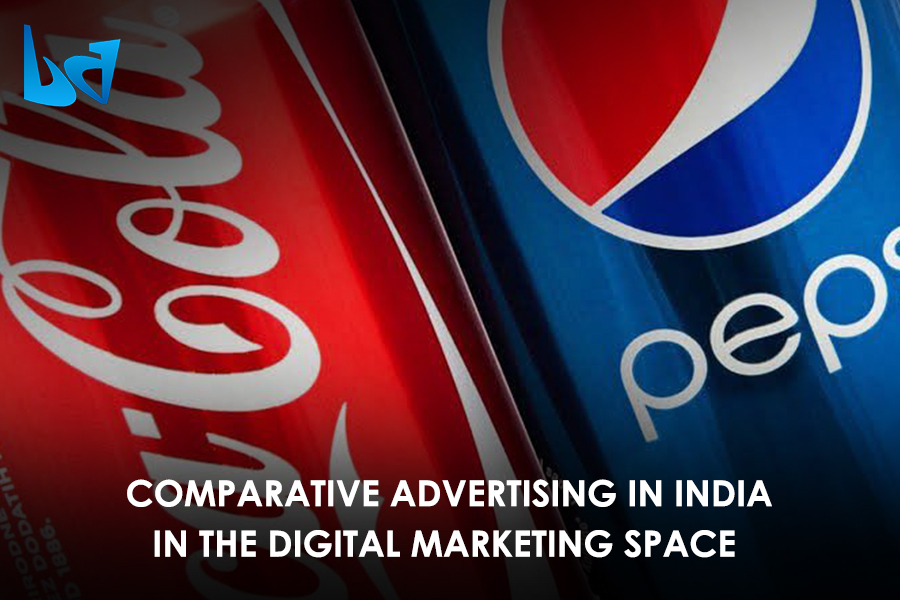
At the end of the day, all marketing efforts are to prove a brand’s worth and show that it’s really better than the best! In such a scenario, enter comparative advertising. It is a marketing strategy that places a contrast between a company’s product with that of a competitor. Over the years, it has become a notably growing trend in India, specifically within the digital marketing space. A bold approach in marketing, it highlights a brand’s advantages while simultaneously talking about competitor’s limitations. It has proved to be an effective way to build brand awareness, stand out from the competition, and grab attention. But is comparative advertising in India all so simple? Let’s find out.
The Rise of Comparative Advertising in India
In India, we have been seeing comparative advertising for a long time in traditional media, such as print and television. But, with the growing digital marketing space, the strategy is reaching new heights. As brands dynamically showcase their USPs and engage with customers through various formats like memes, videos, comments, campaigns, and more, it’s much easier to communicate their competitive edge. With social media, it’s easier to amplify the reach of such campaigns, leading to ads going viral within hours. This is something traditional media cannot up to. Needless to say, subtle and bold comparisons are on the rise and people love it!
Some of the most notable comparative advertisements have been by Coca-Cola and Pepsi. It truly goes back decades. Both brands have come up with campaigns that playfully jab at each other, resulting in memorable advertisements that consumers still talk about today. Another example is the HUL vs. P&G showdown, where HUL launched ads that subtly suggested the superiority of its detergent Rin over P&G’s Tide. This, however, led to legal battles and debates over advertising ethics.
Digital Marketing: The New Frontier for Comparisons
With the onset of digital marketing and its rapid expansion, the approach towards comparative advertising has also changed. Unlike television or print ads, digital ads can be tailored, targeted, and refined based on consumer response. Platforms such as Instagram, Facebook, and YouTube have given brands the power to create shorter, more impactful campaigns that reach millions of users within minutes.
For example, tech companies like Samsung and Apple have quickly adopted this form of advertising. You would often see these two highlight their superior features over their counterparts, with full-blown names! Even in the Indian market, this is quite prevalent. For instance, Flipkart and Amazon often come up with campaigns during sale periods that emphasise their superior offers or customer service.
Legal and Ethical Concerns
While comparative advertising in India is a powerful tool to stand out from the crowd, it is not without its pitfalls. The Advertising Standards Council of India (ASCI) and legal frameworks regulate comparative advertisements. These guidelines ensure that the ad campaigns are not misleading or defamatory.
According to ASCI guidelines, comparisons must be factual, backed by substantial evidence, and should not unfairly denigrate or defame the competition. This regulatory framework protects consumers from deceptive marketing, allowing healthy competition among brands.
In cases where the line between competitive marketing and misleading information blurs, legal battles are sure to happen. Brands need to be really careful to be ethical and maintain boundaries by being truthful and respectful. In the digital age, it’s all the more important to be careful. As content is shared rapidly, even misinformation can spread rapidly. Brands need to be cautious as wrong moves, unethical jabs, and disrespect are pointed out in a jiffy and can lead to more damage than benefit.
The Future of Comparative Advertising
As digital marketing continues to evolve in India, comparative advertising in India will become even more sophisticated. With the integration of artificial intelligence and data analytics, brands can craft highly personalised campaigns that emphasise their strengths over competitors’ offerings more effectively. However, the need for transparency and adherence to ethical guidelines will remain paramount. This strategy, when executed responsibly, can drive consumer engagement and brand preference. As the digital landscape expands, marketers must continue balancing boldness with integrity to create impactful and responsible comparative campaigns.