
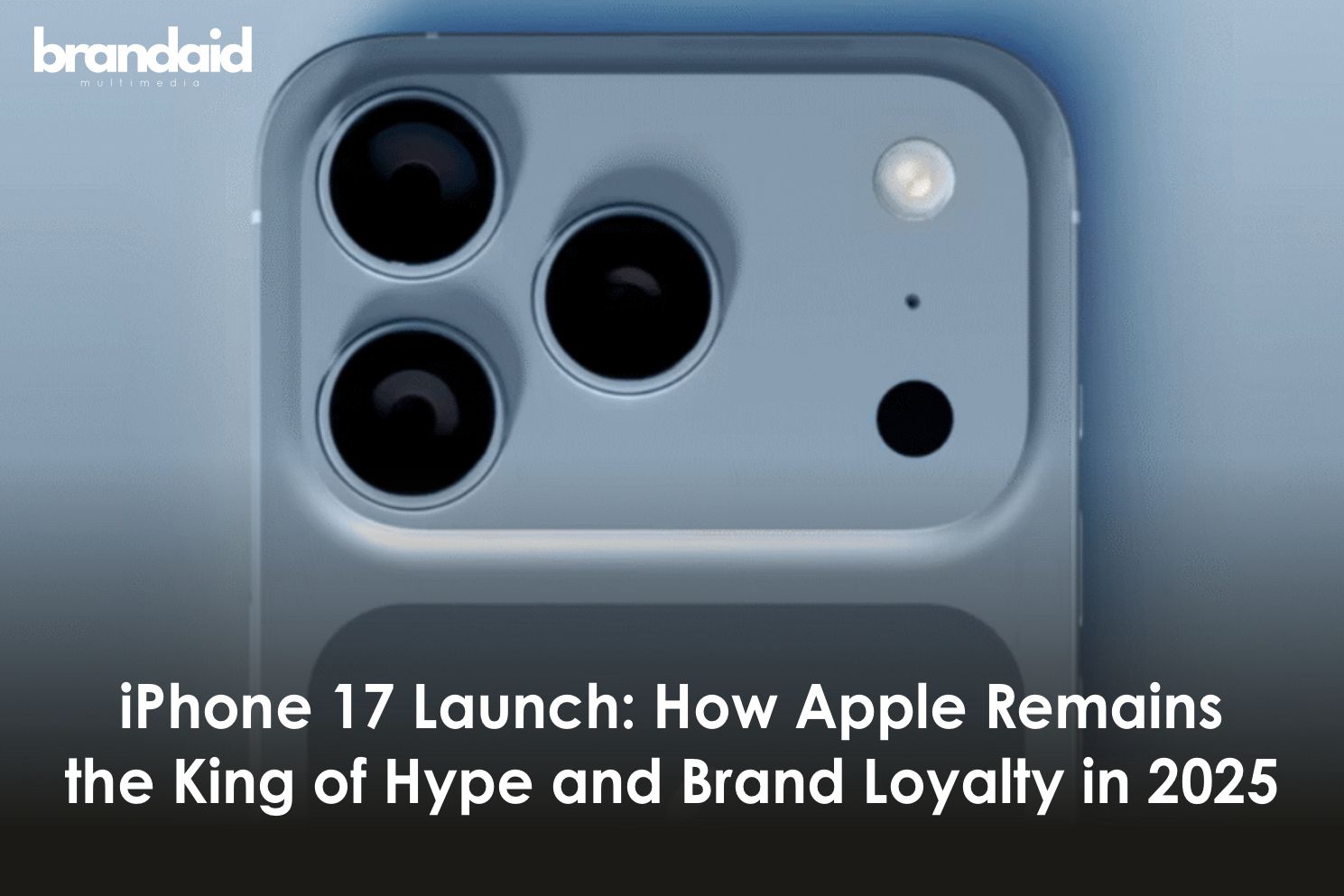
Apple’s iPhone 17 launch wasn’t just another product drop; it was a masterclass in orchestrating anticipation, brand narrative, and ecosystem lock-in. Here’s how the company set the marketing agenda, again.
1. Rebranding “Incremental” as “Awe Dropping”
Apple knows how to make every year’s iPhone sound like a revolution. The “Awe Dropping” theme was less about radically changing the phone, and more about refocusing on hardware design and daily usability. Everything—from the bold iPhone 17 Air reveal to multiple colors and refreshed packaging—was positioned as the next era for mainstream buyers, not just Pro users.
Marketing takeaway: The story comes first, and Apple’s story is always about raising expectations, not just listing specs.
2. Portfolio Reset & The “Air” Play
By axing the Plus and Mini and introducing the iPhone “Air,” Apple reframed the mid-tier. Instead of fighting the price-war in crowded spaces, they made slimness and eSIM a premium lifestyle choice. The Air’s branding mimics the MacBook/iPad Air’s “aspirational lightness,” and that name alone generated global buzz and free media coverage.
Analyst prediction:
The Air will almost double the previous Plus model’s global sales, especially in aspirational Asian markets.
3. Features That Drive “Fear of Missing Out”
The 120Hz ProMotion display, eSIM mainstreaming, A19 AI smarts, and Center Stage camera were presented as “must-have” innovations—even though most are stepwise. Apple’s true genius lies in telling customers that now is the time to upgrade, seamlessly blending iterative and breakthrough.
61% of surveyed users say they plan to upgrade to iPhone 17, and 33% are open to switching carriers because of better eSIM/easy migration.
4. Ecosystem & Cross-Sell in Overdrive
Every iPhone launch is also an AirPods, Apple Watch, and Apple Services upsell. The smooth handoff between phone, watch, and AirPods Pro 3 wasn’t just a demo—it was a sales pitch on lifestyle ecosystem lock-in, touted as hyper-personal and smarter than ever.
The result: Even those who don’t upgrade get nudged deeper into Apple’s subscription and accessory universe.
5. Premium (But Not Exclusionary) India Push
Pricing, colors, and availability were headlined for India and China, not just the US. Apple showcased “Made in India” for supply chain confidence and set up pop-up experience zones in key Indian metros. This signals Apple’s seriousness about India as a growth market.
6. Influencer & Content Creator Focus
The Pro models’ camera platforms and raw video features were positioned to target content creators, filmmakers, and the increasingly influential “pro-am” crowd, not just traditional pros.
Key stat: TikTok, Instagram Reels, and YouTube Shorts partnerships rolled out with iPhone 17 campaign content globally, putting the camera in culture, not just commercials.
7. Controlled Scarcity & Pre-Order Drama
Apple keeps pre-orders tight, launches in waves, and amplifies online “pre-order day” excitement—reinforcing both status and urgency.
Conclusion
Apple didn’t launch the world’s first foldable, but won the attention war with brand-first storytelling, “Air” rebranding, ecosystem play, and FOMO-driven features.
Instead of battling on specs, they’re winning on lifestyle, ecosystem, and the subtle promise that not owning the newest iPhone is missing out on the future.
Storytelling is the core of a successful marketing campaign.
Nike Asked “Why Do It?” Instead of “Just Do It” and Here’s Why That’s Brilliant