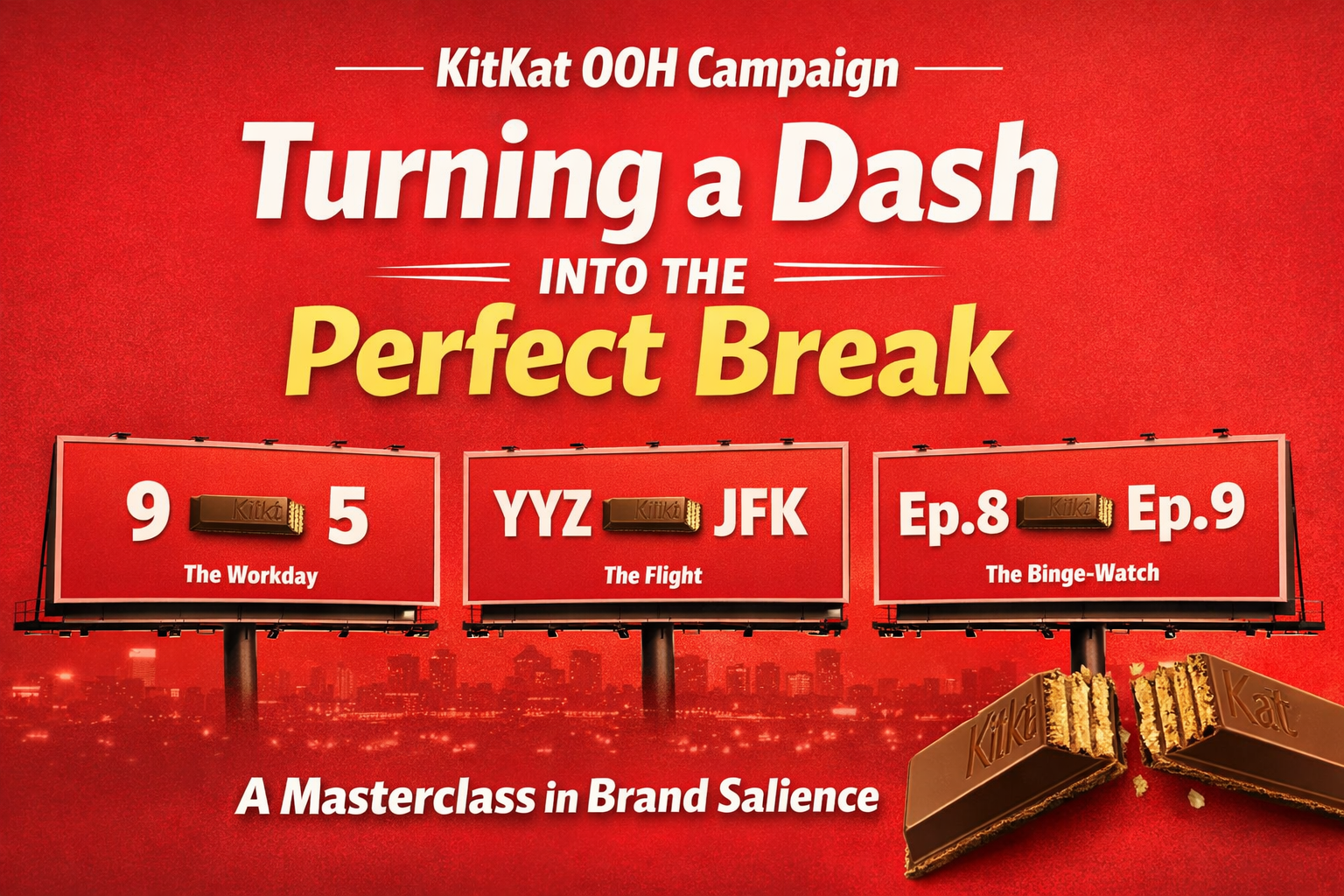

Brand authority shapes how audiences decide who to listen to in a crowded digital world. While many brands compete for attention, only a few earn the position of trusted guide. Today, people don’t follow brands because they are visible — they follow brands because they are credible, consistent, and clear.
As competition increases, authority becomes the difference between being noticed and being relied upon.
What Brand Authority Really Means Today
At its core, brand authority reflects perception. It answers one simple question: Should I trust this brand’s perspective?
Authoritative brands lead conversations instead of reacting to them. They share insight based on experience, not noise. As a result, audiences see them as reliable sources rather than promotional voices.
Because authority grows from clarity and consistency, it cannot be rushed or fabricated.
Why Brand Authority Matters in Modern Marketing
Marketing has become faster, louder, and more crowded. However, speed and volume rarely create confidence.
Brand authority matters because it removes doubt. When people trust a brand’s expertise, they spend less time comparing options and more time committing to decisions. Therefore, authority directly reduces friction in the customer journey.
In contrast, brands without authority must rely heavily on persuasion and repeated exposure.
How Brand Authority Is Built Through Value
Visibility alone does not build influence. Instead, value does.
Brands strengthen brand authority when they educate, clarify, and guide their audience consistently. They publish thoughtful content, share relevant insights, and focus on usefulness over promotion.
As a result, audiences begin to associate the brand with understanding rather than selling.
Thought Leadership Strengthens Brand Authority
Strong perspectives drive authority forward.
When brands openly share opinions, explain industry shifts, and address real challenges, brand authority grows naturally. Thought leadership works because it signals experience and confidence without force.
Moreover, audiences respect brands that contribute meaningfully rather than repeat what everyone else is saying.
Consistency Turns Knowledge into Brand Authority
One strong article does not establish leadership. Repetition does.
Brand authority develops when tone, values, and messaging stay aligned across platforms. Over time, this consistency creates familiarity. Familiarity then builds confidence.
Consequently, audiences return not because they are persuaded — but because they trust what they find.
Why Authority Outlasts Advertising
Advertising creates awareness. Authority creates influence.
Brands with strong brand authority experience less resistance, stronger loyalty, and more organic advocacy. Even when trends change, authority holds because it rests on belief rather than visibility.
Therefore, while ads stop performing when budgets pause, authority continues working quietly.
Final Thought: Authority Is Earned Before It’s Recognised
In the long run, brand authority grows from intention, not ambition. Brands earn it by helping before selling, guiding before promoting, and staying consistent before scaling.
When brands focus on being useful instead of impressive, authority follows naturally — and trust becomes instinctive.